Eco-Therapy: Unveiling the Science and Traditional Wisdom of Connecting with Nature's Spirit

Eco-Therapy: Unveiling the Science and Traditional Wisdom of Connecting with Nature's Spirit

By Anthony Olsen | Psychotherapist, PACFA Accredited
Published 18 November 2020 · Updated 15 June 2026

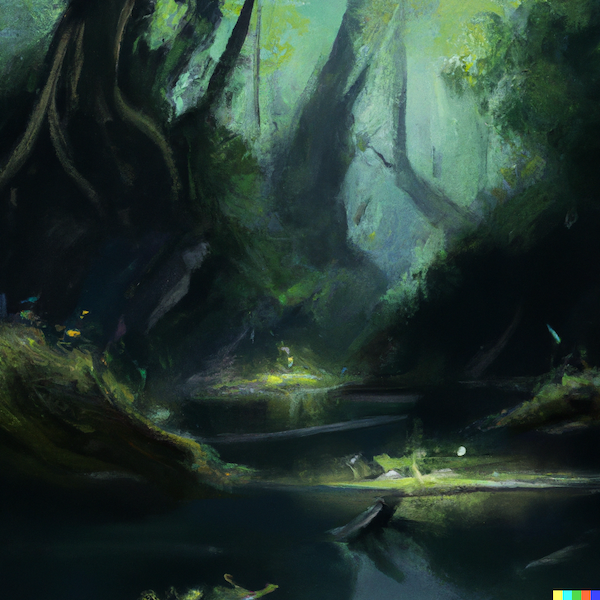
Eco-therapy, also known as nature therapy or green therapy, has emerged as a powerful approach to healing and well-being by harnessing the inherent benefits of immersing ourselves in the natural world. 

In this article, we will explore the science behind eco-therapy, the traditional understanding of connecting with the spirit of place, and the profound impact nature has on our physiological and psychological well-being.

The Science Behind Eco-Therapy: Healing through Nature

Eco-therapy is backed by scientific research that demonstrates its positive effects on human health and well-being. Numerous studies have shown that spending time in natural environments has a profound impact on reducing stress, anxiety, and depression, while enhancing overall emotional and mental well-being. The benefits of eco-therapy extend to physical health as well, with studies indicating that nature exposure can lower blood pressure, reduce heart rate, and boost the immune system.

One explanation for these benefits lies in the concept of biophilia, proposed by renowned biologist E.O. Wilson. Biophilia suggests that humans have an innate affinity for nature and that our well-being is closely tied to our connection with the natural world. When we engage with nature, our bodies respond by releasing hormones that promote relaxation, reduce stress, and enhance our overall sense of well-being.

Connecting with the Spirit of Place: Traditional Wisdom

The practice of connecting with the spirit of place, found in various indigenous cultures and traditional wisdom systems, offers valuable insights into our relationship with the natural world. These traditions emphasize the importance of honoring and nurturing the land and its inhabitants as a reciprocal relationship. By acknowledging the spirit of place, we recognize the interconnectedness of all life and our role as stewards of the Earth.

Indigenous cultures often engage in rituals, ceremonies, and practices that foster a deep connection with nature's spirit. These practices allow individuals to tap into the wisdom and healing power of the natural world, cultivating a profound sense of belonging, purpose, and harmony. By immersing ourselves in nature, we can align with the rhythms of the Earth, attune to its energy, and experience a profound sense of interconnectedness.

The Impact of Being in Nature: Away from Man-Made Structures

In our modern lives, we are surrounded by man-made structures, technology, and constant sensory stimulation. The impact of this artificial environment on our well-being cannot be overlooked. Spending time in nature provides a respite from the noise, screens, and concrete that dominate our daily lives. Being in natural surroundings offers a sensory shift, allowing our minds and bodies to relax and rejuvenate.

Research has shown that exposure to nature can reduce rumination (repetitive negative thoughts) and promote attention restoration. It allows our minds to enter a state of restful awareness, which promotes clarity, creativity, and cognitive restoration. Additionally, the abundance of green spaces and natural scenery has been associated with improved mood, increased self-esteem, and enhanced resilience in the face of stress and adversity.

Conclusion

Eco-therapy provides a bridge between scientific understanding and traditional wisdom, highlighting the profound impact of connecting with nature on our well-being. The scientific evidence supports what traditional cultures have long known—that immersing ourselves in natural environments and connecting with the spirit of place offers healing, balance, and a sense of belonging. As we prioritize our connection with nature, we can experience the benefits of reduced stress, improved mental and physical health, and a renewed sense of harmony within ourselves and the world around us. Embracing eco-therapy allows us to tap into the transformative power of nature and cultivate a deeper relationship with the Earth, promoting both personal and planetary well-being.

References

  1. Bowler, D. E., Buyung-Ali, L. M., Knight, T. M., & Pullin, A. S. (2010). A systematic review of evidence for the added benefits to health of exposure to natural environments. BMC Public Health, 10(1), 456. DOI: 10.1186/1471-2458-10-456
  2. Bratman, G. N., Hamilton, J. P., & Daily, G. C. (2012). The impacts of nature experience on human cognitive function and mental health. Annals of the New York Academy of Sciences, 1249(1), 118-136. DOI: 10.1111/j.1749-6632.2011.06400.x
  3. Kuo, M. (2015). How might contact with nature promote human health? Promising mechanisms and a possible central pathway. Frontiers in Psychology, 6, 1093. DOI: 10.3389/fpsyg.2015.01093
  4. Hartig, T., Mitchell, R., de Vries, S., & Frumkin, H. (2014). Nature and health. Annual Review of Public Health, 35, 207-228. DOI: 10.1146/annurev-publhealth-032013-182443
  5. Kaplan, R. (1995). The restorative benefits of nature: Toward an integrative framework. Journal of Environmental Psychology, 15(3), 169-182. DOI: 10.1016/0272-4944(95)90001-2

Please note that these references provide a starting point for further exploration of the topic, and there is a wealth of additional research available on the subject of eco-therapy and its impacts on human health and well-being.

Related Articles

Counselling and Psychotherapy: What's the Difference?

Counselling and Psychotherapy: What's the Difference?

People often use the terms counselling and psychotherapy interchangeably, and in everyday conversation that's understandable. Both involve talking with a trained professional, both aim to reduce suffering, and both can help people make meaningful changes in their lives. Yet there are some differences in emphasis that are worth understanding.

What Good Psychedelic Integration Support Actually Looks Like

What Good Psychedelic Integration Support Actually Looks Like

Earlier this year I spent a day running a workshop with a cohort going through CPACT, a twelve-month training program in psychedelic and contemplative therapies based at the Anam Cara Centre in Byron Bay. It's not something I run myself, but I get asked to contribute a breathwork day because the skills overlap so directly with the work I do here at Wild Heart: helping people make sense of what happens in non-ordinary states of consciousness, and more importantly, what to do with it afterwards.

What Twenty Years of Choosing Music for Breathwork Taught Me About Holding a Room

What Twenty Years of Choosing Music for Breathwork Taught Me About Holding a Room

I'm in the process of building out a course through Music for Breathwork on how to construct music sets for Holotropic Breathwork, drawing on close to thirty years of practice with this work and formal training through Grof Transpersonal Training since the mid-2000s. It's aimed at facilitators, so it's not something I'll be publishing here in full. But writing it forced me to put into words something I've mostly just done on instinct for two decades, and it's changed how I think about a few things I do as a therapist too.


About Anthony Olsen

My work is informed by Gestalt, Process Oriented, and Transpersonal psychotherapy, with roots in Traditional Chinese Medicine. It is awareness-based and attends to breath, body, and relational experience as central elements of the therapeutic process. This work supports psycho-spiritual integration, meaningful relationships, and a deeper sense of connection to self and others.


Or if you'd like to find out if we are a good fit or I offer what you are looking for
feel free to book a free 20 minute exploratory call.

Wild Heart Psychotherapy

One on one psychotherapy, Men's Groups and Holotropic Breathwork.

Brunswick

503 Sydney Rd
Brunswick VIC 3056

Lorne

6/5 Cora Lynn Crt
Lorne VIC 3232
© 2026 Wild Heart Psychotherapy